Charging Tenants for Common Area Electricity – What's Allowed
Common area electricity can only be charged to tenants under certain conditions. We explain what matters in the rental agreement.
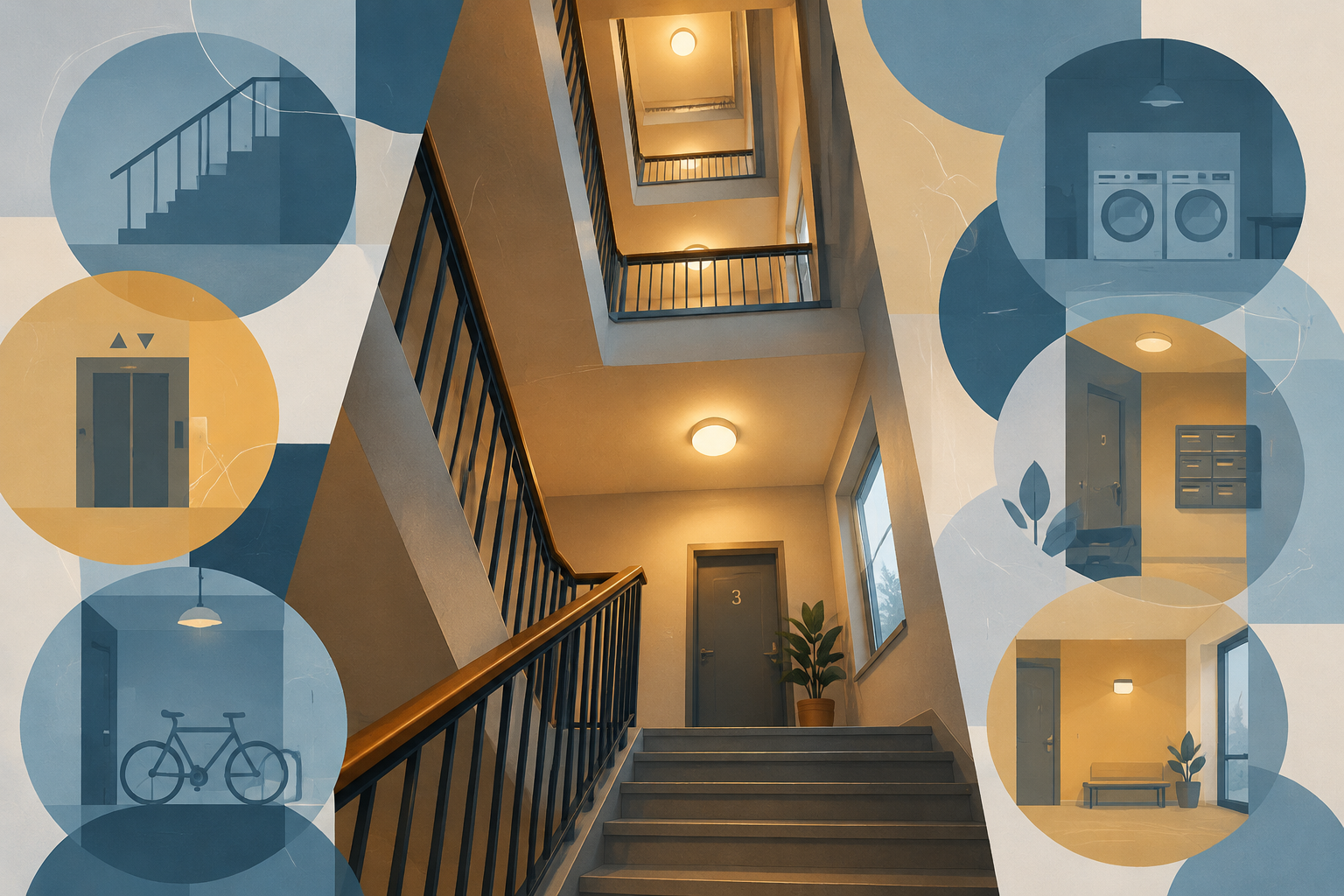
Many tenants come across the item "common area electricity" in their utility bill and wonder whether this charge is even legitimate. The short answer: yes, but only under specific conditions.
What is common area electricity?
Common area electricity refers to the electricity consumed in shared areas of a building. Typical examples include lighting in stairwells, basements, hallways, or car parks. It does not cover devices or installations that exclusively benefit individual tenants.
Two conditions must be met
For landlords to legitimately charge tenants for common area electricity, two conditions must be met simultaneously:
1. A clause in the rental agreement
Common area electricity may only be charged to tenants if this has been explicitly agreed upon in the rental contract. Without a corresponding clause, landlords cannot subsequently include these costs in the utility bill. Tenants should therefore read their rental agreement carefully and check which operating costs are listed.
2. Only permitted cost items
Even if the rental agreement includes a provision for common area electricity, only the costs for lighting shared areas may be passed on. Costs that go beyond this scope – for example, for technical installations that do not serve general lighting purposes – cannot be billed as common area electricity. If applicable, such costs must be listed separately under other operating cost categories and agreed upon accordingly.
What tenants can do
Anyone unsure whether the "common area electricity" item in their bill is correct should take the following steps:
- Check the rental agreement for a corresponding clause.
- Review the bill closely for the exact description of cost items.
- Request receipts and documentation from the landlord if anything is unclear – tenants have the right to inspect supporting documents.
- Seek advice from a tenant rights advisory service if in doubt.
What landlords should keep in mind
Landlords should ensure from the outset that the rental contract contains a clear and complete list of all chargeable operating costs. If the explicit mention of common area electricity is missing, these costs cannot be enforced in the event of a dispute. Careful contract drafting protects both parties from unnecessary conflict.
Conclusion
Common area electricity is generally chargeable – but not automatically so. It requires a clear agreement in the rental contract, and the costs must be limited to the lighting of shared areas. Whether you're a tenant or a landlord, taking a close look at the rental agreement is always worthwhile.